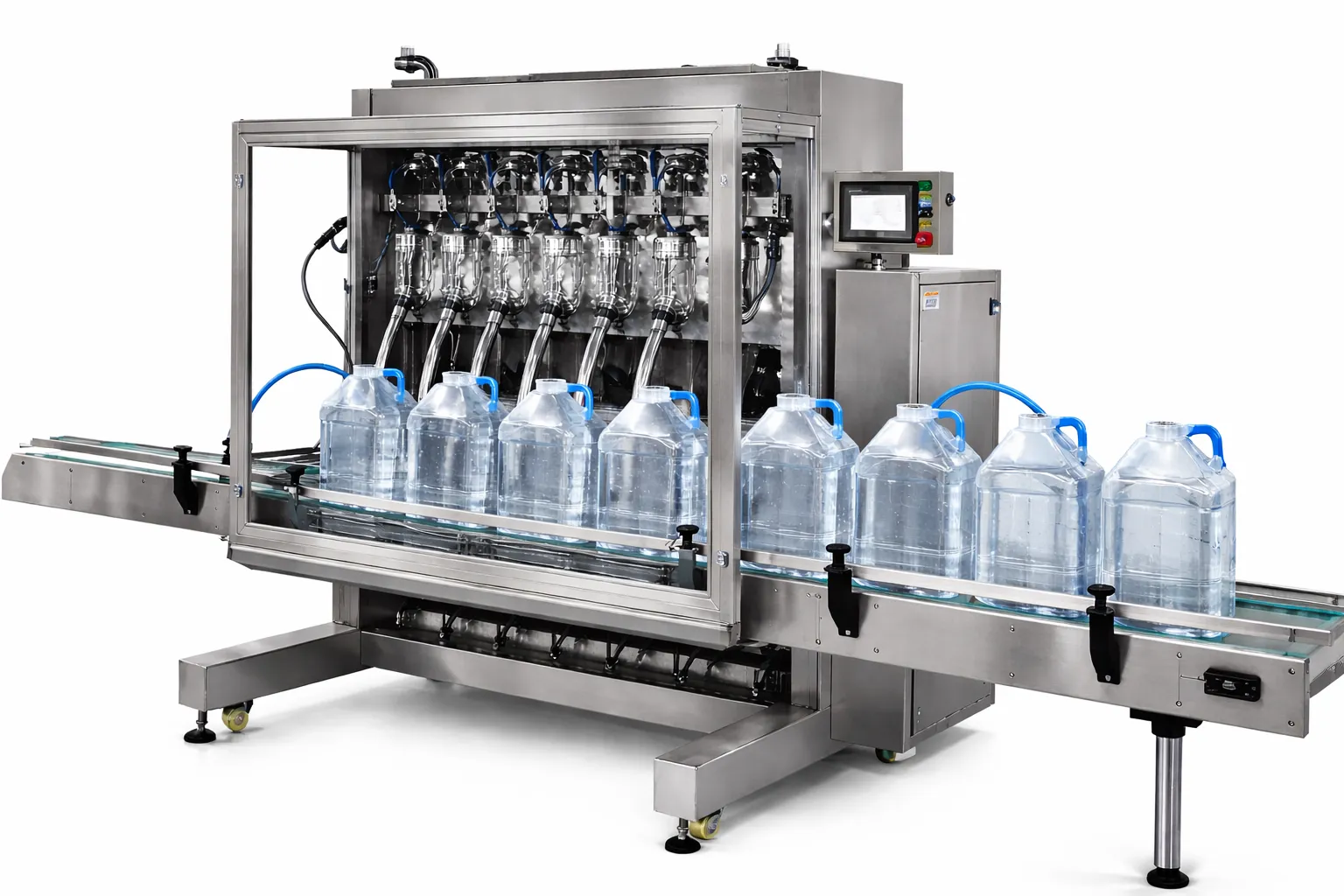
Investing in an automatic liquid filling machine can significantly improve productivity, reduce labor costs, and enhance filling accuracy. Understanding the return on investment (ROI) helps manufacturers determine how quickly the equipment will pay for itself and contribute to long-term profitability.
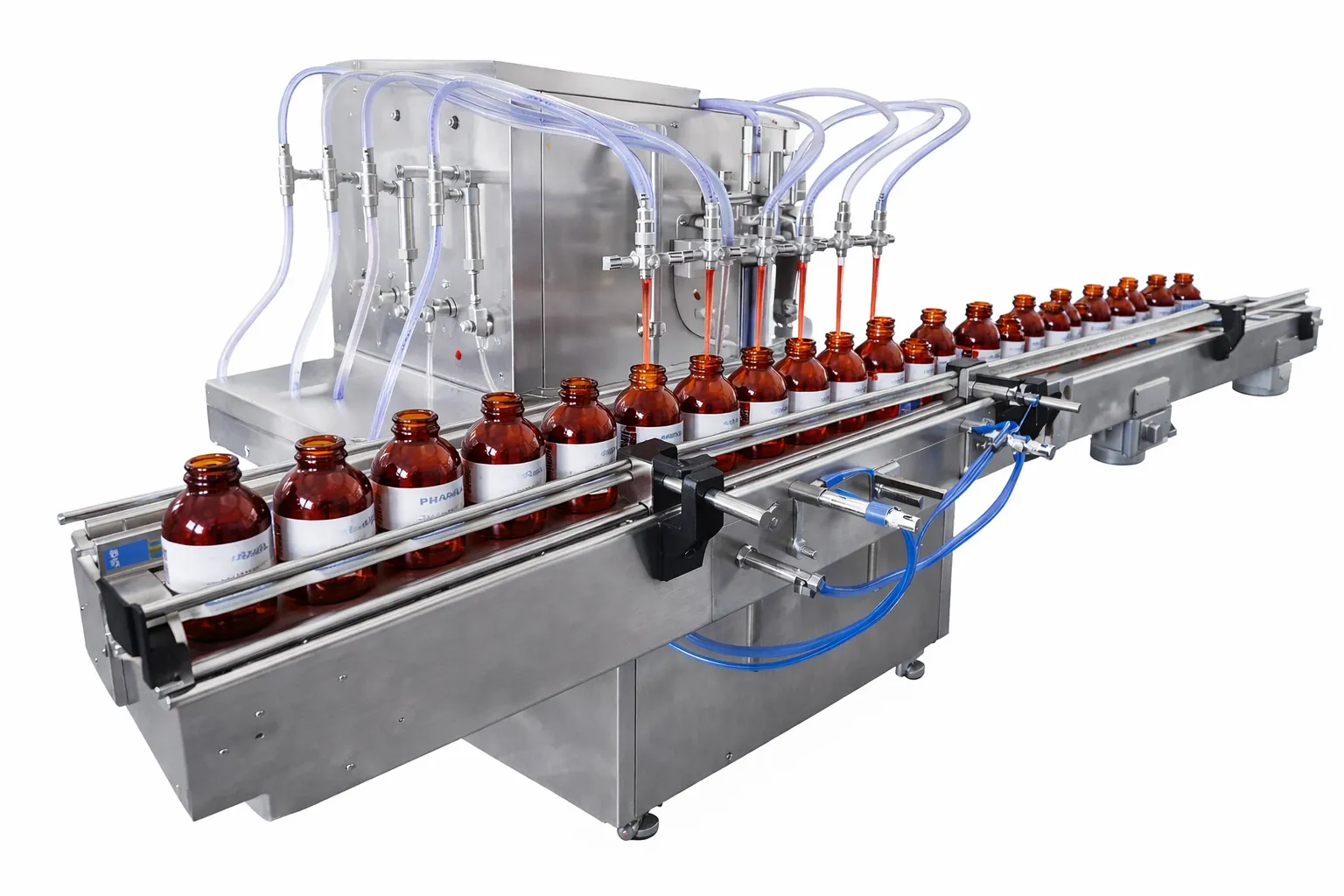
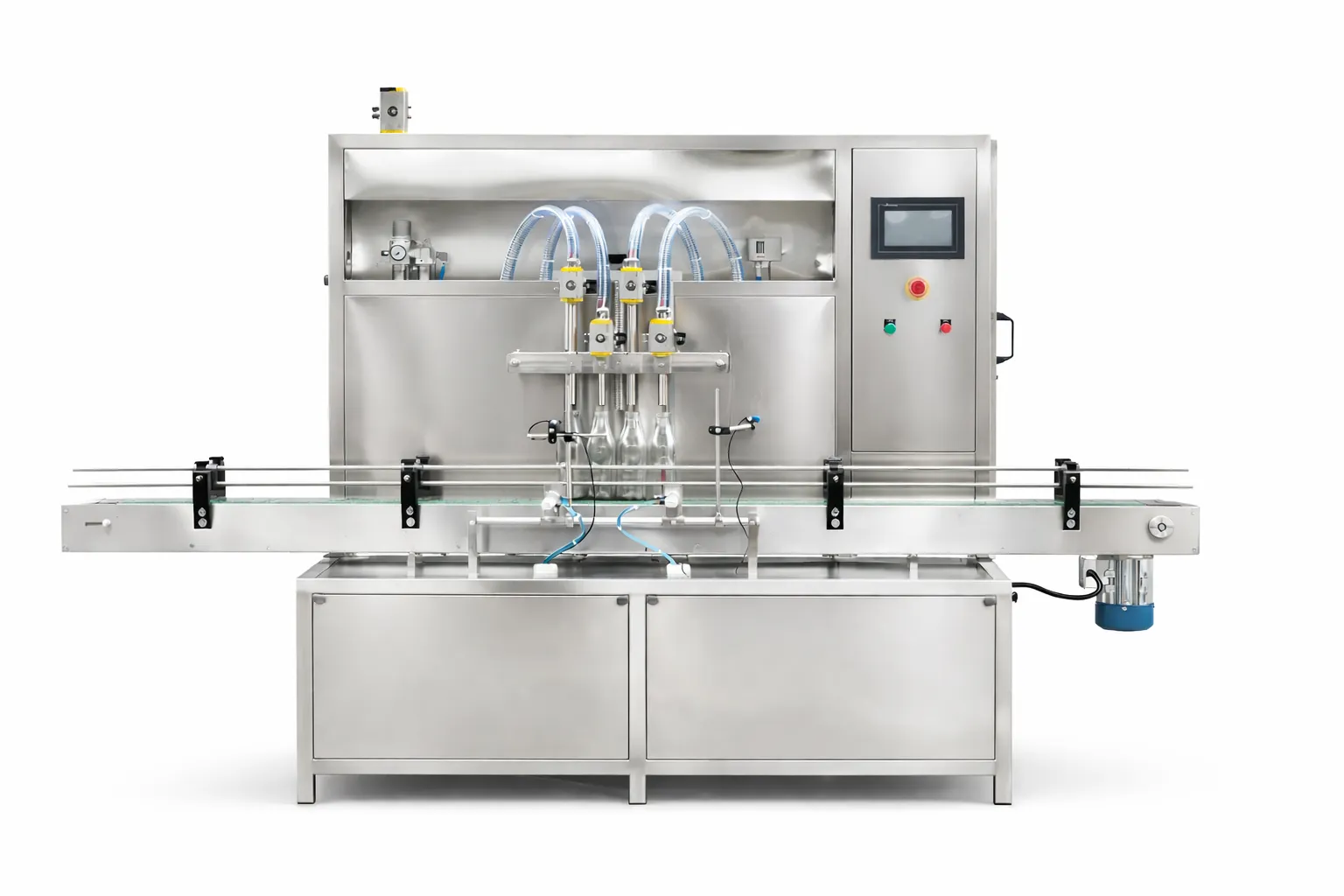
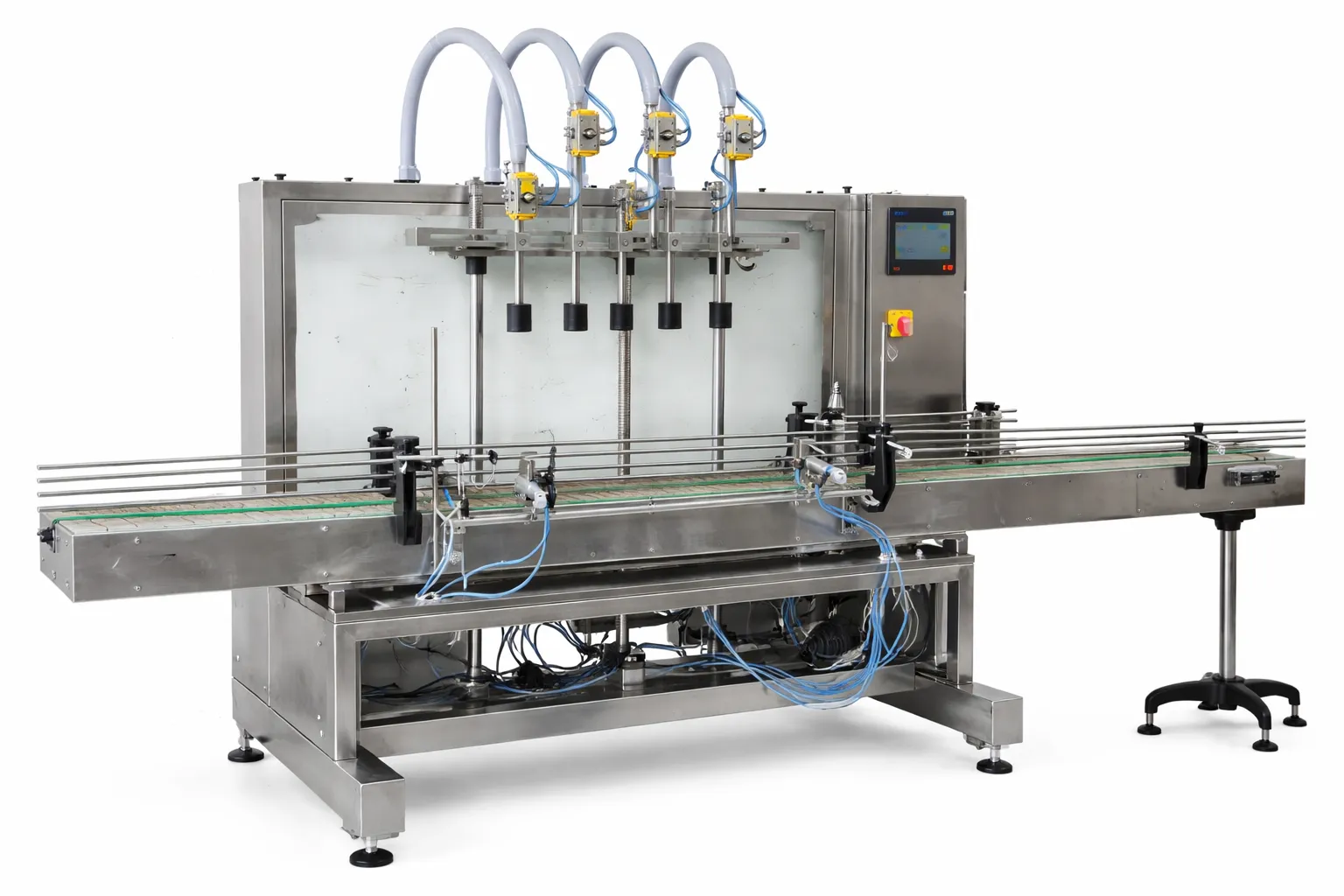
Understanding how ROI is calculated can help businesses determine whether upgrading from manual or semi-automatic filling processes is financially worthwhile.
What is ROI?
Return on Investment (ROI) measures the profitability of an investment compared to its cost.
ROI Formula
ROI (%) = [(Annual Savings − Machine Cost) ÷ Machine Cost] × 100
This formula shows how much profit the machine generates relative to its purchase cost.
Payback Period Formula
The payback period indicates how long it takes for the machine to recover its purchase cost through operational savings.
Payback Period (Years) = Machine Cost ÷ Annual Savings
A shorter payback period generally indicates a better investment.
How Automatic Liquid Filling Machines Generate ROI
Automatic filling systems provide financial benefits in several ways.
1. Reduced Labor Costs
Manual filling operations typically require multiple operators to fill, monitor, and handle containers. Automatic filling machines significantly reduce labor requirements.
Example:
- Manual filling staff: 4 operators
- Monthly labor cost per operator: ₹20,000
- Total monthly labor cost: ₹80,000
After automation:
- Required operators: 1
- Monthly labor cost: ₹20,000
Monthly Labor Savings:
₹80,000 − ₹20,000 = ₹60,000
Annual Labor Savings:
₹60,000 × 12 = ₹720,000
These labor savings alone can cover a substantial portion of the machine’s cost over time.
2. Increased Production Output
Automatic filling machines operate much faster than manual systems.
| Filling Method | Bottles per Hour |
|---|---|
| Manual Filling | 200–500 |
| Semi-Automatic Filling | 800–1,500 |
| Automatic Filling | 2,000–10,000+ |
Higher production rates allow manufacturers to:
- Fulfill larger orders
- Increase sales capacity
- Reduce production bottlenecks
- Improve customer delivery times
The ability to produce more products without hiring additional staff directly contributes to ROI.
3. Improved Filling Accuracy
Even small filling inaccuracies can result in significant product losses over time.
Automatic filling machines deliver precise volumes with minimal variation, reducing overfilling and underfilling.
Example
- Product value: ₹200 per liter
- Annual production: 100,000 liters
- Average overfill: 2%
Product Loss:
2% of 100,000 liters = 2,000 liters
2,000 × ₹200 = ₹400,000
This means inaccurate filling could cost the business approximately ₹400,000 annually.
Automatic filling systems help recover much of this lost revenue.
4. Reduced Product Waste
Manual filling often results in:
- Spillage
- Dripping
- Overflow
- Inconsistent fills
Modern automatic fillers use precision nozzles, controlled flow rates, and anti-drip mechanisms to minimize waste.
Less waste means:
- Lower raw material costs
- Cleaner production environments
- Higher profitability
5. Lower Rework and Rejection Rates
Inconsistent filling levels frequently lead to:
- Quality control failures
- Product rework
- Customer complaints
- Packaging rejections
Automatic machines maintain consistent fill volumes, reducing costly corrections and improving overall product quality.
6. Scalability Without Additional Labor
As production demand grows, manual operations often require hiring more workers.
Automatic filling systems allow businesses to increase output without proportional increases in labor costs, creating long-term operational efficiencies and stronger profit margins.
Sample ROI Calculation
Initial Investment
Automatic Liquid Filling Machine Cost:
₹1,500,000
Annual Savings
| Source of Savings | Annual Savings |
|---|---|
| Labor Reduction | ₹720,000 |
| Reduced Product Waste | ₹250,000 |
| Improved Filling Accuracy | ₹300,000 |
| Reduced Rework Costs | ₹80,000 |
| Total Annual Savings | ₹1,350,000 |
Calculate Payback Period
Payback Period = Machine Cost ÷ Annual Savings
Payback Period = ₹1,500,000 ÷ ₹1,350,000
Payback Period = 1.11 Years
Payback Period ≈ 13 Months
This means the machine pays for itself in just over one year.
Calculate ROI After One Year
ROI (%) = [(Annual Savings − Machine Cost) ÷ Machine Cost] × 100
ROI (%) = [(₹1,350,000 − ₹1,500,000) ÷ ₹1,500,000] × 100
ROI = -10%
Although the machine has not fully recovered its cost within the first year, it is very close to breaking even.
Calculate ROI After Two Years
Total Savings After Two Years:
₹1,350,000 × 2 = ₹2,700,000
ROI (%) = [(₹2,700,000 − ₹1,500,000) ÷ ₹1,500,000] × 100
ROI = 80%
After two years, the machine generates an 80% return on the original investment.
Industries That Benefit Most
Automatic liquid filling machines provide excellent ROI in industries such as:
- Food and Beverage
- Pharmaceuticals
- Cosmetics and Personal Care
- Chemicals
- Lubricants and Oils
- Household Cleaning Products
- Agricultural Chemicals
Businesses with high production volumes often experience the fastest payback periods.
Additional Long-Term Benefits
Better Product Consistency
Consistent fill volumes improve customer satisfaction and strengthen brand reputation.
Easier Regulatory Compliance
Accurate filling supports compliance with quality standards and industry regulations.
Improved Workplace Safety
Automation reduces repetitive manual tasks and minimizes operator fatigue.
Production Monitoring
Modern filling machines often include:
- PLC controls
- Batch tracking
- Production reports
- ERP integration capabilities
These features provide valuable operational insights and improve overall efficiency.
Factors That Affect ROI
Several variables influence the return on investment of an automatic liquid filling machine:
- Production volume
- Product value
- Labor costs
- Filling accuracy requirements
- Machine utilization rate
- Maintenance expenses
- Number of operating shifts
Facilities with higher production demands generally achieve faster ROI and shorter payback periods.
Conclusion
Automatic liquid filling machines offer substantial financial and operational benefits through reduced labor costs, increased production output, improved filling accuracy, and lower product waste. While the initial investment can be significant, many manufacturers achieve a payback period of 12 to 24 months and continue to realize savings for years afterward.
For businesses looking to improve efficiency and scale production, investing in an automatic liquid filling machine is often a smart decision that delivers measurable ROI and long-term profitability.