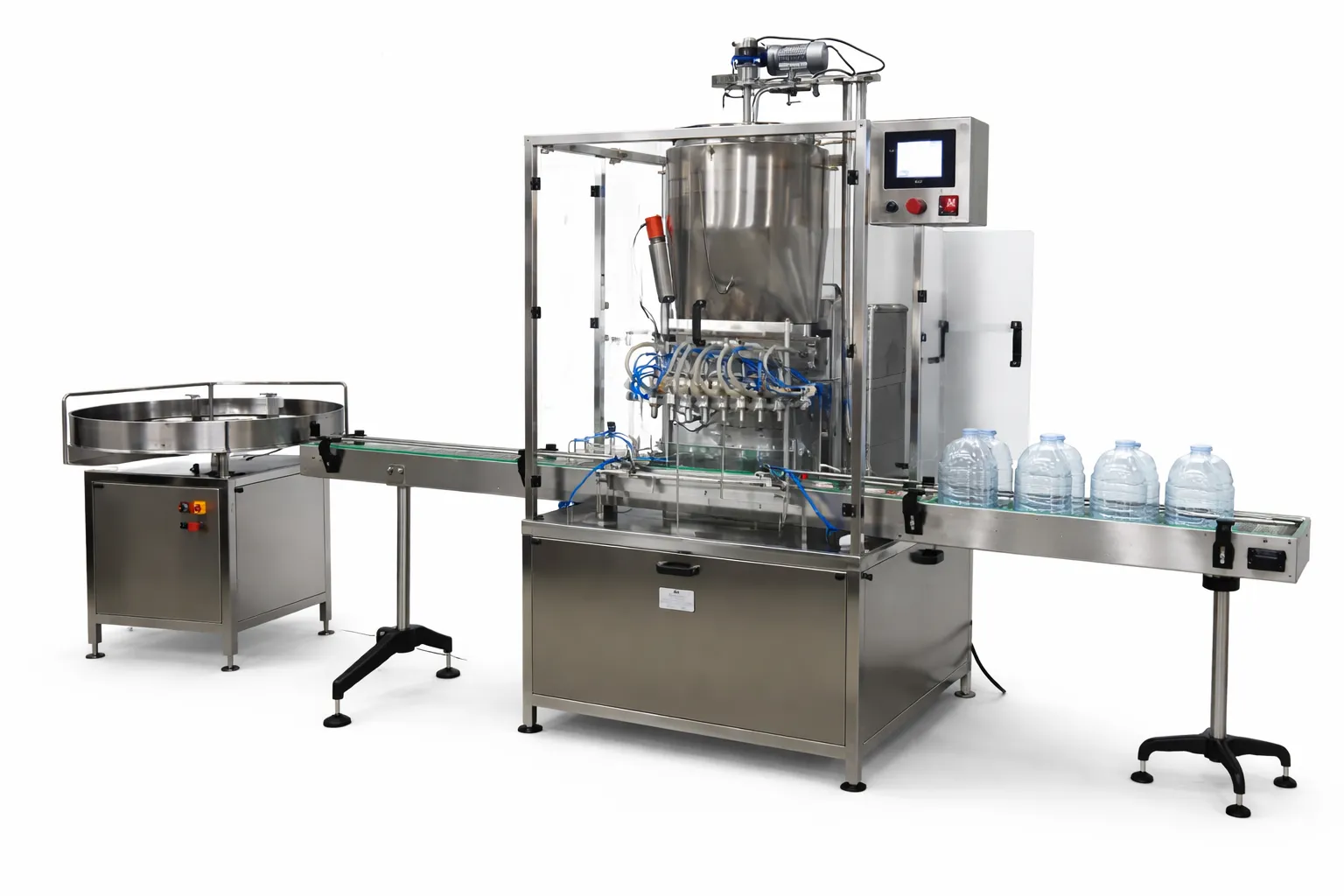
Selecting the right liquid filling machine for viscous products is crucial for maintaining production efficiency, ensuring filling accuracy, and reducing product wastage. Thick liquids such as honey, ketchup, sauces, syrups, creams, gels, shampoos, lotions, and pastes require specialized filling equipment that can handle their unique flow characteristics.
In this guide, we’ll explore the key factors to consider when choosing a liquid filling machine for viscous products.
Understanding Viscous Products
Viscous products are liquids that flow slowly due to their thickness and resistance to movement. The higher the viscosity, the more challenging the filling process becomes. Products commonly classified as viscous include:
- Honey
- Peanut butter
- Tomato ketchup
- Mayonnaise
- Cosmetic creams
- Hair gels
- Shampoo
- Body lotion
- Syrups
- Industrial lubricants
Because these products do not flow freely like water, standard gravity filling systems may not provide accurate results.
Types of Filling Machines Suitable for Viscous Products
1. Piston Filling Machines
Piston fillers are among the most popular choices for thick liquids and semi-liquid products.
Advantages:
- High filling accuracy
- Suitable for thick and chunky products
- Easy volume adjustment
- Handles products with particulates
Best For:
- Sauces
- Creams
- Honey
- Jam
- Peanut butter
2. Pump Filling Machines
Pump fillers use gear, lobe, or rotor pumps to transfer product into containers.
Advantages:
- Versatile filling range
- Suitable for various viscosities
- Ideal for automated production lines
Best For:
- Lotions
- Shampoos
- Oils
- Syrups
- Chemical products
3. Servo-Controlled Filling Machines
Servo-driven filling systems provide precise control over fill volumes and speeds.
Advantages:
- Exceptional accuracy
- Reduced product waste
- Programmable settings
- Fast product changeovers
Best For:
- Premium cosmetics
- Pharmaceuticals
- High-value food products
Key Factors to Consider
Product Viscosity
The thickness of your product is the most important factor when selecting a filling machine. Products with higher viscosity generally require piston or positive displacement filling systems.
Container Type and Size
Consider the containers you use:
- Bottles
- Jars
- Pouches
- Tubes
The filling machine should accommodate various container shapes and sizes without compromising speed or accuracy.
Production Capacity
Evaluate your daily production requirements.
Small-Scale Production:
- Semi-automatic filling machines
Medium-Scale Production:
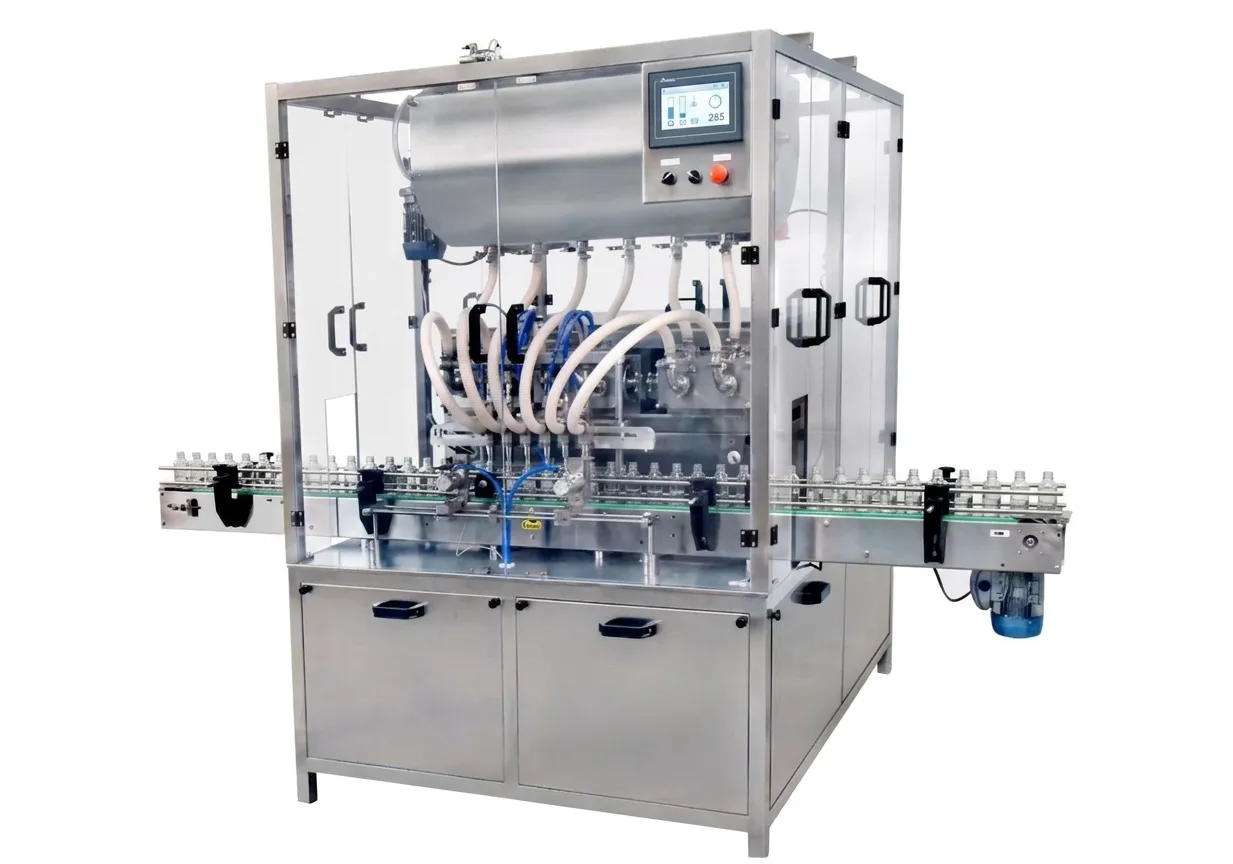
- Automatic 2 to 6 head fillers
High-Volume Production:
- Fully automatic multi-head filling systems
Choosing a machine with the right output capacity prevents bottlenecks and supports future growth.
Filling Accuracy
Accurate filling is essential for customer satisfaction and regulatory compliance. Look for machines with:
- Servo control systems
- Adjustable filling parameters
- Anti-drip nozzles
- Precision dosing technology
Product Temperature
Some viscous products become easier to fill when heated. If your product requires temperature control, choose a machine compatible with:
- Heated hoppers
- Jacketed tanks
- Temperature-controlled pipelines
Cleaning and Maintenance
Industries such as food, cosmetics, and pharmaceuticals require strict hygiene standards.
Look for:
- Stainless steel construction
- Tool-free disassembly
- CIP (Clean-In-Place) capability
- Easy-to-clean product contact parts
Automation Level
Semi-Automatic Filling Machines
Suitable for startups and small businesses.
Benefits:
- Lower investment cost
- Flexible operation
- Easy maintenance
Fully Automatic Filling Machines
Ideal for large-scale manufacturers.
Benefits:
- Higher production speed
- Reduced labor costs
- Consistent filling quality
- Integration with complete packaging lines
Future Expansion Considerations
When investing in a filling machine, think beyond your current production needs.
Choose equipment that offers:
- Upgrade options
- Additional filling heads
- Integration with capping and labeling machines
- Support for new product lines
A scalable solution can save significant costs in the future.
Common Mistakes to Avoid
- Choosing a machine based solely on price
- Ignoring future production growth
- Underestimating product viscosity
- Overlooking cleaning requirements
- Selecting incorrect nozzle designs
- Not testing products before purchase
Conclusion
Choosing the right liquid filling machine for viscous products requires careful evaluation of product characteristics, production volume, container specifications, and automation requirements. Piston fillers, pump fillers, and servo-controlled systems are among the most effective solutions for handling thick liquids with accuracy and efficiency.
By understanding your product’s viscosity and long-term production goals, you can invest in a filling machine that improves productivity, minimizes waste, and delivers consistent results for years to come.