Investing in a liquid filling machine is a crucial decision for manufacturers in industries such as food and beverage, pharmaceuticals, cosmetics, chemicals, and personal care products. One of the most common questions buyers ask is: “How much does a liquid filling machine cost?”
The answer depends on several factors, including the machine type, automation level, filling technology, production capacity, and customization requirements.
Average Liquid Filling Machine Price Range
The cost of a liquid filling machine can vary significantly based on its features and capabilities.
| Machine Type | Estimated Price Range |
|---|---|
| Manual Filling Machine | ₹20,000 – ₹100,000 |
| Semi-Automatic Filling Machine | ₹100,000 – ₹500,000 |
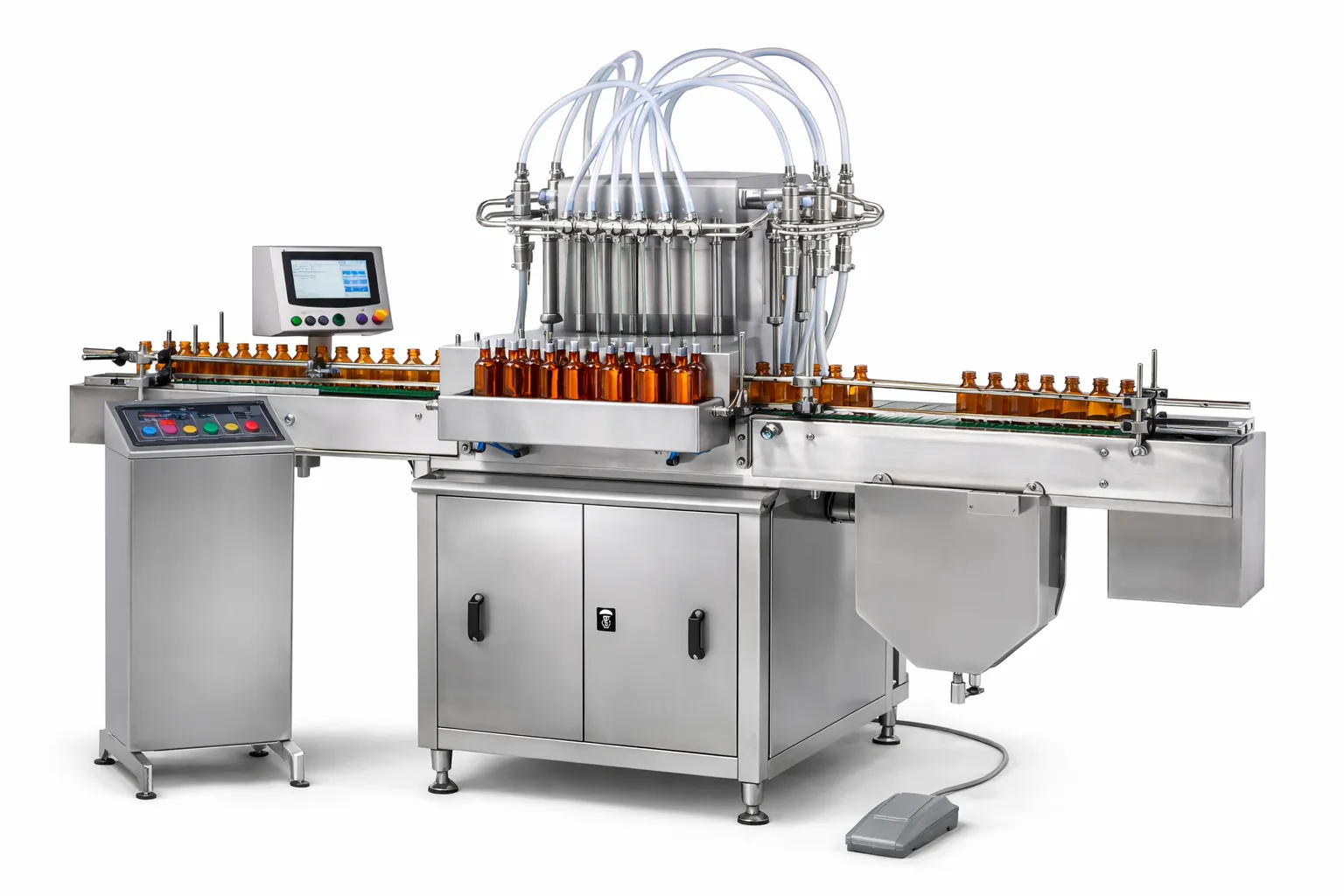
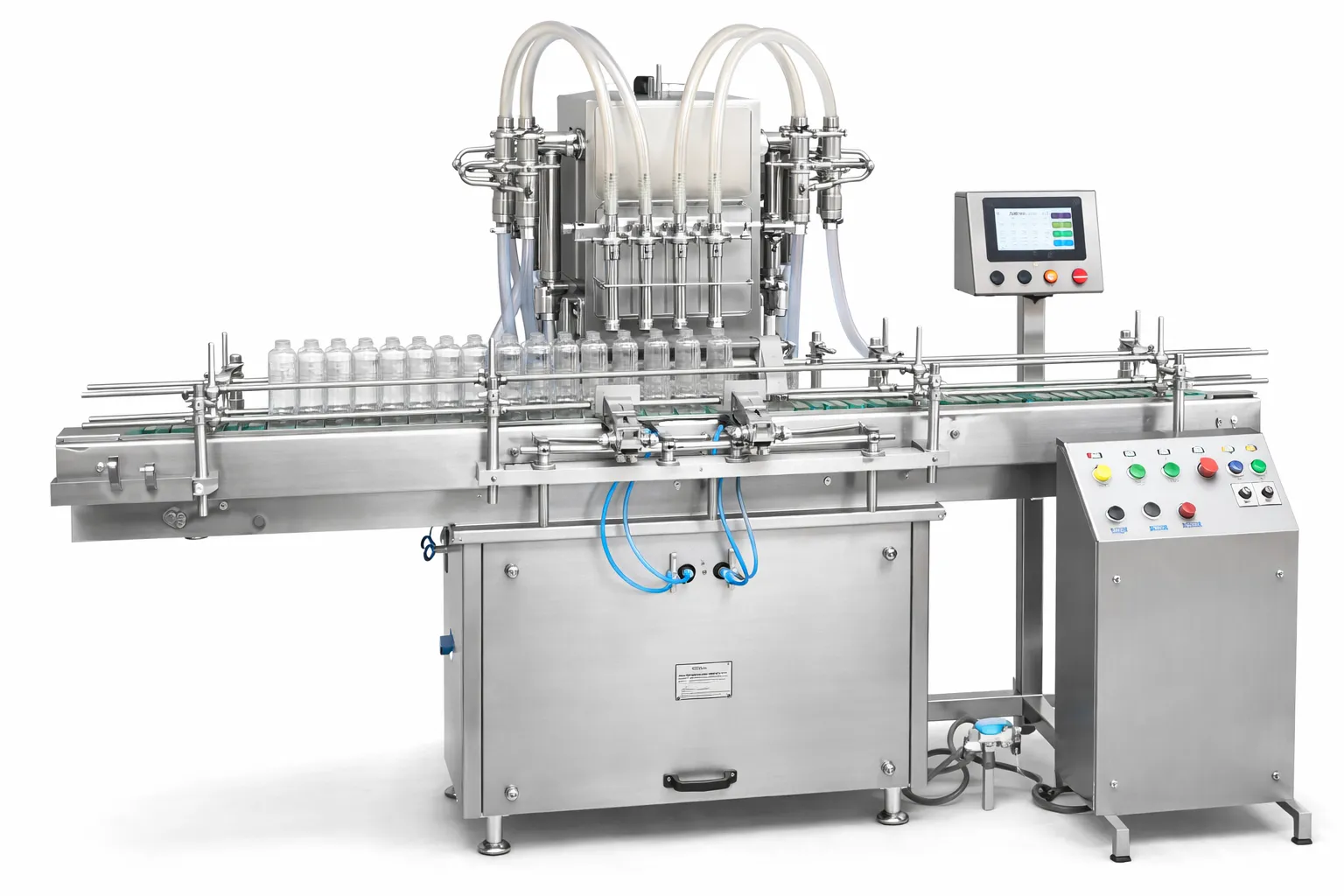
| Automatic Liquid Filling Machine | ₹500,000 – ₹2,500,000 |
| High-Speed Fully Automatic Filling Line | ₹2,500,000 – ₹10,000,000+ |
These figures are general estimates and may vary depending on specifications and manufacturer requirements.
Factors That Affect Liquid Filling Machine Cost
1. Level of Automation
Automation is one of the biggest factors affecting machine price.
Manual Filling Machines
- Lowest initial investment
- Suitable for startups and small businesses
- Lower production capacity
- Higher labor requirements
Semi-Automatic Filling Machines
- Moderate investment
- Good balance between cost and productivity
- Requires operator involvement
Fully Automatic Filling Machines
- Higher initial cost
- Maximum production efficiency
- Reduced labor expenses
- Ideal for large-scale manufacturing
2. Filling Technology
Different filling technologies have different price points.
Gravity Fillers
Best for:
- Water
- Juice
- Thin liquids
Advantages:
- Simple design
- Lower cost
Piston Fillers
Best for:
- Honey
- Syrups
- Sauces
- Creams
Advantages:
- High accuracy
- Handles viscous products
Generally more expensive than gravity fillers.
Pump Fillers
Best for:
- Chemicals
- Cosmetics
- Various liquid viscosities
Advantages:
- Versatile
- Flexible operation
Flow Meter Fillers
Best for:
- Edible oils
- Chemicals
- High-value liquids
Advantages:
- Excellent filling accuracy
- High-speed performance
Usually among the most expensive filling technologies.
3. Number of Filling Heads
Machines with more filling heads can fill multiple containers simultaneously.
| Filling Heads | Typical Production Capacity |
|---|---|
| 1–2 Heads | Low Volume |
| 4 Heads | Medium Volume |
| 6–8 Heads | High Volume |
| 10–16 Heads | Industrial Scale |
As the number of heads increases, machine cost also increases.
4. Production Capacity
Higher production requirements require more advanced equipment.
Examples:
- Small business: 500 bottles/day
- Medium manufacturer: 5,000 bottles/day
- Large production facility: 20,000+ bottles/day
Higher output machines typically cost more but provide better long-term ROI.
5. Construction Material
Stainless Steel 304
Suitable for:
- Food products
- Beverage applications
- General manufacturing
More affordable option.
Stainless Steel 316
Suitable for:
- Pharmaceuticals
- Corrosive chemicals
- High-purity products
More expensive but offers superior corrosion resistance.
6. Product Characteristics
The nature of the liquid affects machine design and cost.
Products such as:
- Water
- Juice
- Edible oil
Generally require simpler systems.
Products such as:
- Honey
- Lotion
- Shampoo
- Thick sauces
Require specialized filling mechanisms and often increase equipment costs.
7. Additional Features
Optional features can increase the overall investment.
Examples include:
- Touchscreen HMI controls
- Servo-driven filling systems
- Automatic bottle feeding
- No-bottle-no-fill sensors
- Anti-drip nozzles
- CIP (Clean-In-Place) systems
- Remote monitoring
- Batch tracking
These features improve efficiency but also raise the machine price.
Cost of a Complete Filling Line
Many manufacturers purchase complete packaging lines instead of standalone filling machines.
A complete line may include:
- Bottle Unscrambler
- Liquid Filling Machine
- Capping Machine
- Labeling Machine
- Inkjet Printer
- Conveyor System
Typical investment:
₹2,000,000 – ₹15,000,000+
The exact cost depends on production speed and automation requirements.
How to Choose the Right Machine for Your Budget
When evaluating machine cost, consider:
- Current production volume
- Future growth plans
- Labor expenses
- Product type
- Filling accuracy requirements
- Maintenance costs
The cheapest machine is not always the most cost-effective option. A higher-quality machine often provides better reliability, lower maintenance costs, and faster return on investment.
Is a Liquid Filling Machine Worth the Investment?
For most manufacturers, the answer is yes.
Benefits include:
- Reduced labor costs
- Increased production speed
- Improved filling accuracy
- Reduced product waste
- Better product consistency
- Faster order fulfillment
Many businesses recover their investment within 12–24 months through labor savings and improved operational efficiency.
Conclusion
The cost of a liquid filling machine can range from ₹20,000 for basic manual units to over ₹10,000,000 for fully automated high-speed filling lines. Factors such as automation level, filling technology, production capacity, construction material, and additional features all influence the final price.
Before purchasing, evaluate your production requirements, growth plans, and product characteristics to ensure you choose a machine that delivers the best value and long-term return on investment.