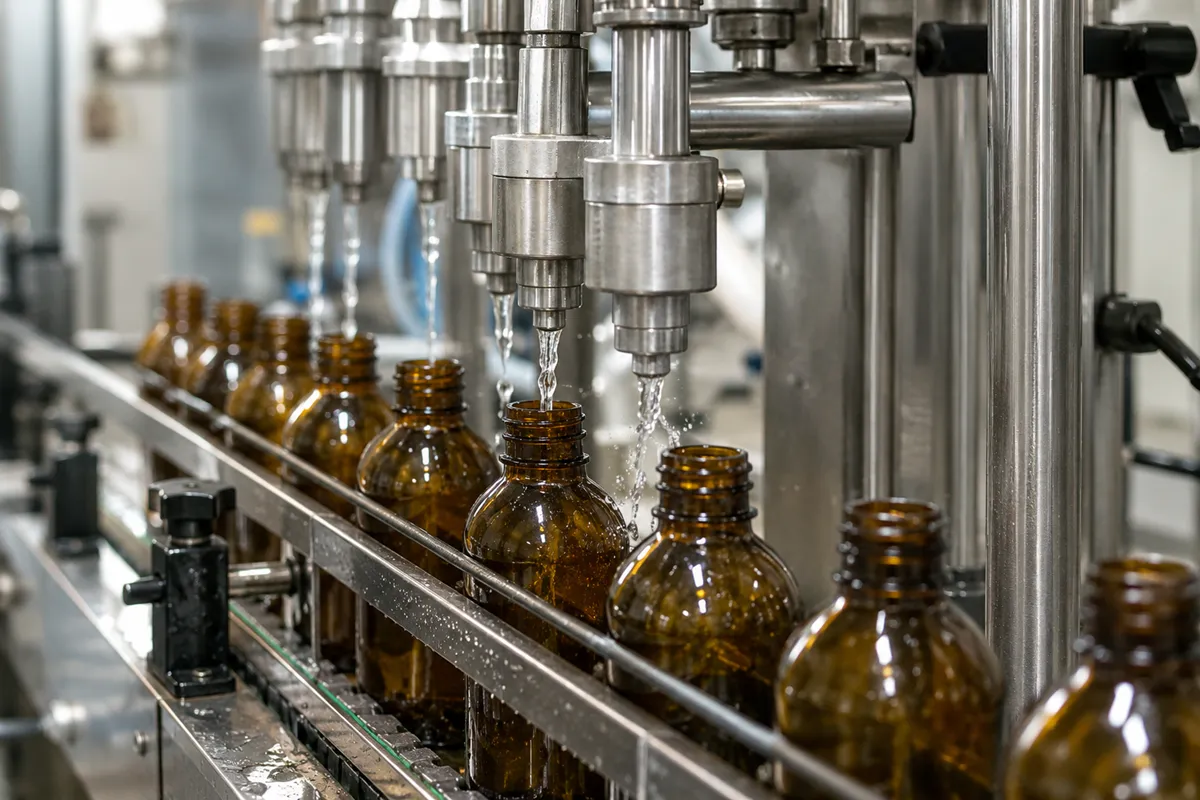
Leakage is one of the most common and costly problems in liquid filling operations. Even small leaks can result in product wastage, inaccurate filling, production downtime, higher cleaning costs, and customer complaints. Whether you are filling syrups, oils, chemicals, shampoos, detergents, or pharmaceutical liquids, understanding why liquid filling machines leak is the first step toward improving efficiency and reducing operating expenses.
The good news is that most leakage issues can be identified and corrected through proper machine selection, maintenance, and operating procedures.
Why Liquid Filling Machine Leakage Is a Serious Problem
Even minor leakage can create major operational challenges, including:
- Product wastage
- Reduced filling accuracy
- Increased cleaning requirements
- Production downtime
- Packaging contamination
- Customer complaints
- Higher operating costs
- Reduced profitability
Identifying the root cause early can prevent costly production losses.
1. Worn-Out Nozzle Seals
One of the most common causes of leakage is damaged or worn nozzle seals.
Over time, seals and gaskets deteriorate due to:
- Continuous operation
- Product exposure
- Chemical corrosion
- Improper cleaning methods
- Normal wear and tear
Solution
- Inspect seals regularly
- Replace damaged gaskets immediately
- Use product-compatible sealing materials
- Follow preventive maintenance schedules
2. Dripping Filling Nozzles
Residual liquid often remains inside filling nozzles after the filling cycle ends.
Without proper shut-off mechanisms, the liquid may continue dripping onto bottles, conveyors, or surrounding equipment.
This issue is common when filling:
- Syrups
- Oils
- Shampoos
- Detergents
- Cosmetic liquids
Solution
- Install anti-drip nozzles
- Use shut-off filling valves
- Optimize filling speed
- Clean nozzles frequently
3. Incorrect Filling Speed Settings
Filling liquids too quickly can create turbulence, splashing, and overflow.
Many operators mistakenly increase filling speed to improve productivity, which can result in leakage and product loss.
Common Products Affected
- Water
- Sanitizers
- Chemical solutions
- Foaming products
- Detergents
Solution
- Optimize filling speed settings
- Adjust flow rates based on product characteristics
- Use multi-stage filling programs
- Test settings before full-scale production
4. Improper Bottle Positioning
Leakage may occur when bottles are not correctly aligned under the filling nozzles.
Common causes include:
- Conveyor misalignment
- Damaged guide rails
- Incorrect machine setup
- Improper bottle handling
Solution
- Verify bottle alignment regularly
- Inspect guide rails and conveyor systems
- Adjust machine settings during changeovers
- Replace worn positioning components
5. Product Foaming Issues
Foaming liquids can overflow during filling and create the appearance of machine leakage.
Products that commonly foam include:
- Shampoo
- Hand wash
- Detergent
- Liquid soap
- Cleaning chemicals
Solution
- Reduce filling speed
- Use bottom-up filling nozzles
- Install anti-foam filling systems
- Optimize product temperature
6. Damaged Hoses and Pipe Connections
Loose fittings, cracked hoses, and worn pipe connections can cause liquid to escape during operation.
These leaks often worsen over time if not addressed promptly.
Solution
- Inspect hoses regularly
- Tighten fittings and connectors
- Replace damaged tubing immediately
- Use high-quality piping components
7. Incorrect Nozzle Height Adjustment
Nozzle position plays a critical role in filling performance.
If nozzles are too high:
- Splashing may occur
If nozzles are too low:
- Bottle interference may occur
Solution
- Adjust nozzle height according to container size
- Verify settings after product changeovers
- Perform routine setup inspections
8. Overfilling Containers
Sometimes the machine itself is not leaking.
Instead, excessive fill volumes cause products to overflow from containers during filling or transport.
Solution
- Calibrate filling volumes regularly
- Perform routine accuracy testing
- Verify production settings before operation
9. Poor Machine Maintenance
Many leakage problems result from inadequate maintenance.
Common maintenance-related issues include:
- Worn seals
- Loose fittings
- Dirty valves
- Blocked nozzles
- Pump wear
Solution
Implement a preventive maintenance program that includes:
- Daily inspections
- Weekly cleaning
- Monthly calibration
- Scheduled replacement of wear components
10. Using the Wrong Liquid Filling Machine
Not all liquid filling machines are suitable for every product.
Using the wrong filling technology can increase leakage, product waste, and maintenance costs.
For example:
- Thick liquids often require a Piston Filling Machine.
- High-accuracy applications may benefit from a Gear Pump Liquid Filling Machine.
- Foaming products may perform better with an Overflow Liquid Filling Machine.
- Oils may require an Oil Filling Machine configured for specific viscosity requirements.
Solution
Select a liquid filling machine based on:
- Product viscosity
- Filling volume
- Container type
- Production speed requirements
11. Wrong Nozzle Selection
Different liquids require different nozzle designs.
Using the wrong nozzle can lead to:
- Dripping
- Splashing
- Foaming
- Inconsistent filling
For example:
- Thin liquids may require standard filling nozzles.
- Foaming products may require bottom-up filling nozzles.
- Viscous products may require larger nozzle openings.
Solution
Choose nozzle designs that match your product characteristics and filling requirements.
12. Air Pressure Fluctuations
Many semi-automatic liquid filling machines rely on pneumatic systems.
Inconsistent air pressure can cause:
- Incomplete filling cycles
- Valve malfunction
- Dripping
- Inconsistent fill volumes
Solution
- Maintain recommended air pressure levels
- Inspect pneumatic components regularly
- Install air filters and pressure regulators
- Monitor compressor performance
Which Products Commonly Experience Leakage During Filling?
Leakage issues are frequently encountered while filling:
- Syrups
- Edible Oils
- Hair Oils
- Liquid Chemicals
- Shampoo
- Detergent
- Hand Wash
- Sanitizers
- Cosmetic Liquids
- Pharmaceutical Liquids
Each product has unique flow characteristics that require the correct filling technology and machine configuration.
How to Prevent Liquid Filling Machine Leakage
Follow these best practices to minimize leakage:
- Perform regular preventive maintenance
- Replace worn seals and gaskets
- Use anti-drip nozzles
- Verify bottle alignment
- Calibrate filling volumes regularly
- Inspect hoses and fittings
- Optimize filling speeds
- Maintain proper air pressure
- Choose the correct nozzle design
- Select the right liquid filling machine for your product
Preventive maintenance and proper machine selection are the most effective ways to reduce leakage and improve production efficiency.
Warning Signs Your Liquid Filling Machine Needs Attention
Watch for these common signs:
- Dripping nozzles
- Wet conveyor surfaces
- Product buildup around filling heads
- Inconsistent fill levels
- Increased cleaning requirements
- Excessive product waste
- Frequent operator adjustments
Addressing these issues early can prevent costly downtime and repairs.
Contact Us
If your liquid filling machine is experiencing leakage, dripping, inconsistent filling, or excessive product wastage, our team can help identify the root cause and recommend the right solution.
Whether you need an Automatic Liquid Filling Machine, Semi-Automatic Liquid Filling Machine, Gear Pump Liquid Filling Machine, Piston Filling Machine, Oil Filling Machine, Syrup Filling Machine, Chemical Filling Machine, or Shampoo / Detergent Filling Machine, we can help you select equipment that delivers accurate, leak-free performance.
Contact us today for expert guidance, technical support, and a customized liquid filling solution tailored to your production requirements.